The 3 Stages Of TMD Treatment

You may already know what a relief it is to be diagnosed with TMD when you’ve been suffering with painful symptoms for years, having found no satisfying answers and likely being misdiagnosed, sometimes repeatedly. But what are the next steps? Because TMD looks and feels different for every patient, treatment does as well. However, there are three general stages you can expect in your treatment plan.
TMJ Self-Care

If you are one of the many patients with mild TMJ symptoms, you may only have occasional flare-ups or experience discomfort with certain movements. Your treatment plan may include monitoring your condition to ensure it doesn’t deteriorate and performing some self-care activities at home. Keep reading to learn about the therapies we often recommend for home care.

How Winter Affects TMD & What You Can Do About It

What’s your favorite season? If you suffer from the effects of TMD, you may not be that fond of winter and prefer the warmer months. As it is only February, we are right in the middle of the winter season, with spring over a month away. Although our winters aren’t as bad as some other areas of the country, we still get freezing temperatures this time of year, especially at night. The cold weather is known to affect joints and muscles. Because the TMJ is a joint, patients receiving treatment to help with this condition can feel the effects of the cold weather more than others. Read on to learn more and get tips on how to manage your symptoms in the cold weather.

Are You Familiar With TMD?

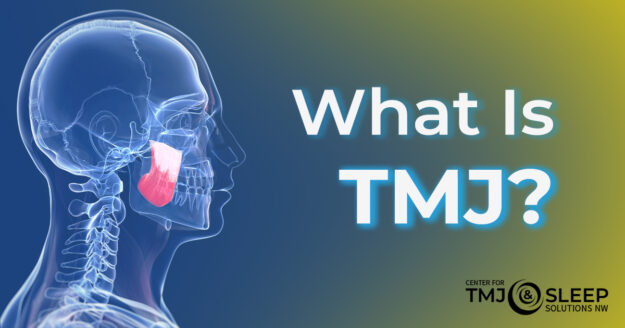
Do you often wake up with unexplained headaches, or do you often experience discomfort in your jaw and face? If so, you may be experiencing complications from a condition known as TMD, also referred to as temporomandibular joint disorder. Unfortunately, many adults are never properly diagnosed, and their condition and symptoms remain untreated. Our practice is designed to help patients who suffer from TMD get the treatment they need to live their lives to the fullest.