Sleep Your Way To A Healthy Weight!

Good sleep is often the missing link in a person’s healthcare routine. We tend to emphasize diet and exercise, but sleep rarely gets the attention it deserves. As sleep doctors, we understand the importance of consistent, quality rest and its effects on the human body. When a patient isn’t sleeping well because of obstructive sleep apnea or simply neglecting to prioritize sleep in their life, it opens the door to a host of health problems, and excess weight is one of them.

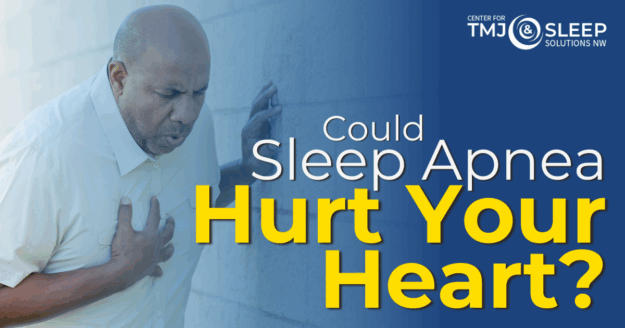
Is There A Link Between Sleep Apnea And Heart Health?

Sleep should be the time your body rests and recovers. But if you have sleep apnea, your body is working overtime just to keep breathing, and that can take a serious toll on your heart. At Center for TMJ & Sleep Solutions NW, we often see patients who are shocked to learn how closely sleep apnea is tied to heart problems. If you’ve been putting off getting checked, here’s why it’s worth paying attention to.

Still Tired After Treatment?

Starting treatment for sleep apnea is a major step toward better rest, better health, and better quality of life. But what happens when you’ve followed the plan and used your appliance consistently but still wake up feeling tired? It can be discouraging and confusing. Many patients expect to feel better right away, so when that doesn’t happen, it’s easy to wonder if something’s wrong.

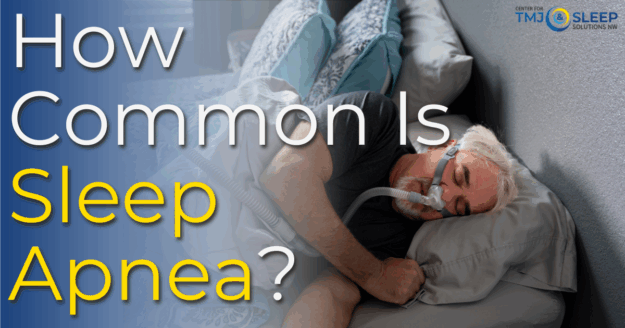
How One City Is Tackling Sleep Apnea—And Why It Matters

New York City is rolling out a new program and public education campaign that offers city residents free sleep apnea screenings and at-home sleep tests—and it’s catching national attention. It’s part of a growing movement to raise awareness around a serious condition that affects millions of people, often without their knowledge. Here in Washington, we believe it’s a conversation worth having too.

Tips For Sleeping Better With Sleep Apnea

Sleep apnea can make restful nights feel impossible, but small changes to your bedtime habits can make a big difference. At the Center for TMJ & Sleep Solutions, we know that better sleep hygiene is an essential step in managing sleep apnea symptoms. When paired with treatment options like oral appliance therapy or CPAP, healthy sleep habits can help you wake up feeling truly refreshed.

How Cold And Flu Season Can Affect Your Sleep Apnea

Cold and flu season brings a host of uncomfortable symptoms, from congestion to sore throats, but if you have sleep apnea, these seasonal illnesses can bring additional challenges. Even minor congestion can make breathing through the nose difficult, making restful sleep harder to come by. Here’s what you need to know about managing sleep apnea during cold and flu season—and a few tips to help you breathe easier.